How to Build Sustainable Wellness Habits
The routine that changes your well-being may be smaller than you expect: a balanced breakfast before your first meeting, a walk after lunch, a glass of water beside your coffee. To build sustainable wellness habits, start with actions that fit your real life, not an imagined schedule with unlimited time, energy, and motivation. The goal is not to be perfect. It is to create a rhythm that supports how you want to feel - steady, energized, comfortable, and confident.
Start with the habit you can repeat
Big health goals can be meaningful, but they are rarely useful as daily instructions. “Feel better” or “lose weight” does not tell you what to do at 7:30 a.m. on a busy Tuesday. A sustainable habit does. It is specific, small enough to complete, and connected to a moment that already happens in your day.
Instead of promising yourself an hour of exercise every morning, begin with ten minutes of movement after you change into comfortable clothes. Instead of overhauling every meal, add a source of protein and fiber to the breakfast you already enjoy. Instead of deciding to drink more water, fill a bottle when you make your morning coffee.
This approach may feel less dramatic, but that is the point. Extreme routines often depend on a burst of motivation. Small routines are more likely to survive travel, deadlines, family responsibilities, and low-energy days. Repetition is what turns a healthy choice into something you do without a daily debate.
Choose one wellness priority at a time
Wellness has many moving parts: nutrition, sleep, movement, digestion, skin care, stress, and body confidence. Trying to improve all of them at once can make even a good plan feel heavy. Choose the area that would make the biggest difference to your day right now.
If your afternoons regularly crash, begin with an energy-supporting routine. A nourishing breakfast, regular meals, hydration, and a short outdoor walk may be more helpful than relying on another late-day caffeine boost. If digestion feels uncomfortable, focus on slower meals, adequate fluids, fiber-rich foods, and noticing which routines leave you feeling your best. If your goal is weight management, build consistency around satisfying meals and movement you genuinely enjoy before chasing strict rules.
There is no single right starting point. What works depends on your schedule, preferences, health history, budget, and current season of life. If you have a medical condition, are pregnant or nursing, or take medication, speak with a qualified healthcare professional before making significant dietary or supplement changes.
Make the healthy choice easier to see
Willpower is helpful, but environment usually has the louder voice. When the action you want to take is visible and convenient, you need less mental effort to follow through.
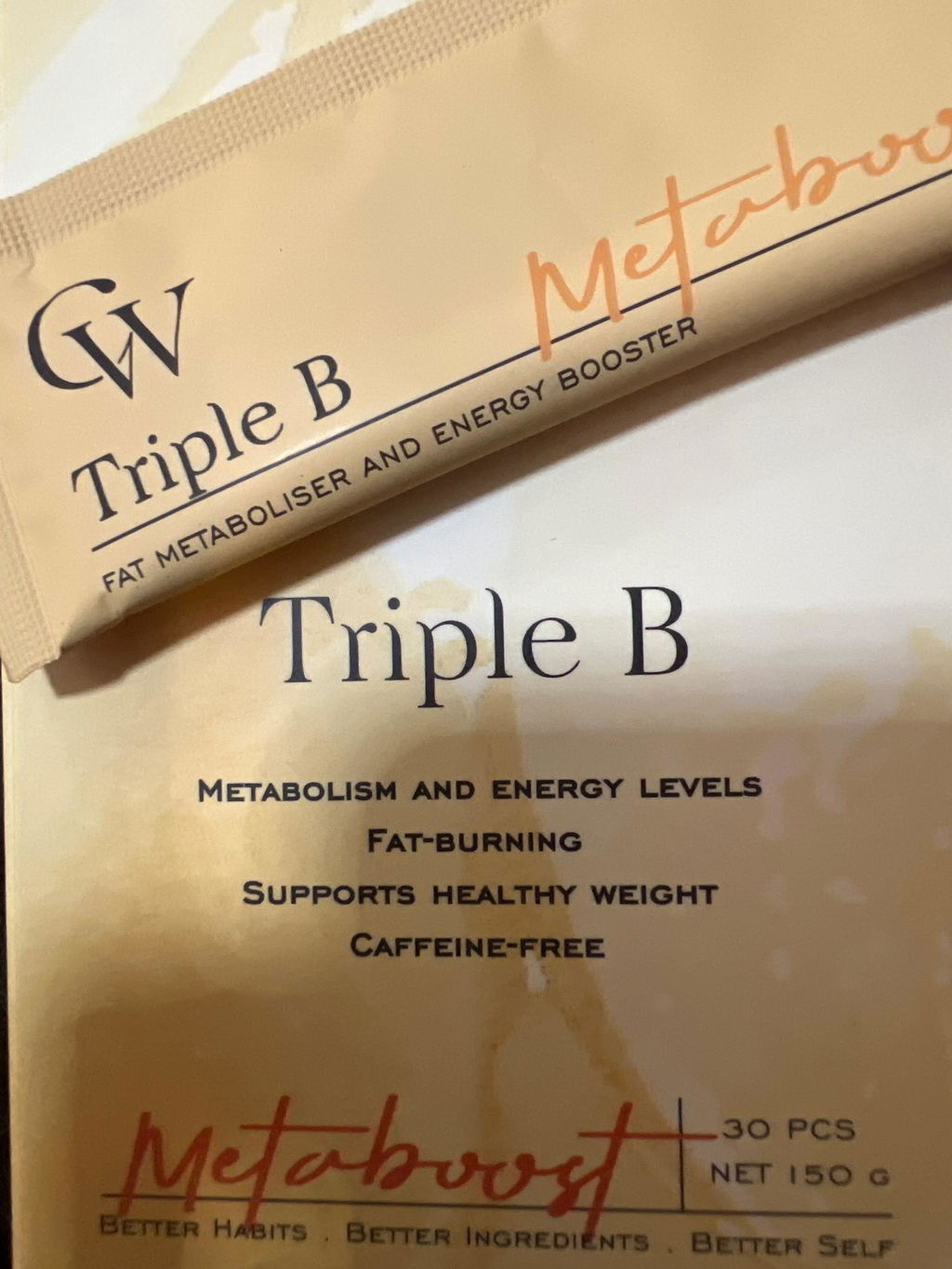
Keep your walking shoes by the door. Put a water bottle on your desk. Prepare ingredients for tomorrow’s lunch while you clean up dinner. Keep a practical, enjoyable wellness option at work for the mornings when breakfast gets rushed. Functional coffee, tea, or a convenient nutrition-focused snack can be a useful part of a routine when it supports, rather than replaces, the foundations of regular meals and hydration.
Think of these choices as gentle cues. You are not forcing discipline. You are reducing friction. The easier a routine is to begin, the more likely it is to happen when life gets full.
Attach new habits to existing routines
A simple method is to pair one new action with something you already do consistently. This is often called habit stacking, and it works because the existing routine becomes the reminder.
After brushing your teeth, take your daily supplement if it is appropriate for you. While your coffee brews, do a few minutes of stretching. After lunch, walk around the block or take a few laps indoors. Before your evening shower, set out the clothes you want to wear tomorrow.
Keep the first version almost too easy. If your plan is a five-minute walk, five minutes counts. On many days, you may naturally do more. On hard days, completing the minimum keeps the promise to yourself intact.
Build meals around support, not restriction
Food should help you feel cared for, not constantly tested. Restrictive plans can create short-term momentum, but they often become difficult to maintain when they leave you hungry, disconnected from favorite foods, or anxious around social occasions.
A more supportive approach is to add before you subtract. Add colorful produce where you can. Add protein to help meals feel more satisfying. Add fiber gradually through foods such as vegetables, fruit, beans, oats, and whole grains, while drinking enough fluids. Add flavors you enjoy, so nutritious meals do not feel like a punishment.
For busy professionals and parents, convenience matters. A realistic breakfast might be yogurt with fruit and nuts, eggs with toast, or oatmeal paired with protein. A realistic lunch might be a grain bowl, leftovers with extra vegetables, or a sandwich with a side of fruit. You do not need every meal to look the same or be perfectly balanced. Aim for patterns that are nourishing most of the time.
This matters for body confidence, too. Sustainable weight management is rarely built through harsh self-criticism. It is built by learning what helps you feel satisfied, well-fueled, and able to return to your routine after a celebration, vacation, or difficult week.
Treat sleep and stress as part of the plan
When sleep is short and stress is high, healthy choices can feel much harder. Your appetite, energy, patience, and desire to move may all shift. That is not a personal failure. It is useful information about what your body may need.
You do not need a flawless bedtime routine to support better rest. Start with one boundary: dim screens thirty minutes earlier, make a cup of caffeine-free tea after dinner, or set a consistent alarm for winding down. If your mind tends to race, write tomorrow’s top three tasks on paper before bed. The aim is to give your brain fewer loose ends to carry overnight.
Stress support can also be brief. A few slow breaths before a meeting, a short walk between tasks, or a check-in with someone you trust can create a meaningful pause. Small moments of recovery help wellness habits feel like care, not another demand on your calendar.
Track consistency, not perfection
A simple checkmark on a calendar can be more useful than an elaborate tracker. It gives you evidence that you are showing up, even when results are not immediately visible. Track the behavior you control: water with lunch, ten minutes of movement, vegetables at dinner, or your evening wind-down.
Avoid using one missed day as proof that the plan failed. A missed habit is just a missed habit. The most valuable skill is returning at the next available opportunity. This is where sustainable routines differ from all-or-nothing plans: there is always a way back.
It can also help to notice benefits beyond the scale. Are you less hungry between meals? Is your digestion more comfortable? Do you have steadier energy, clearer skin, or more confidence in your routine? These changes may be gradual, but they are meaningful markers of progress.
Get support that fits your life
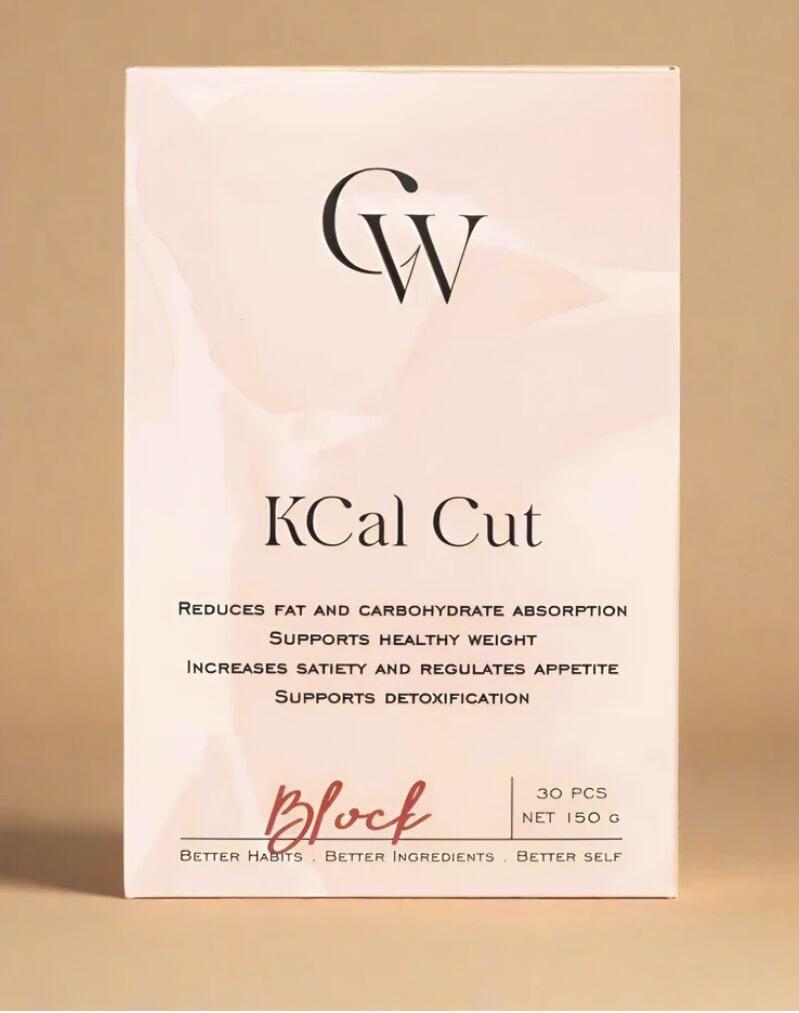
Support makes consistency easier, especially when your goals feel confusing or personal. That support may come from a healthcare professional, a registered dietitian, a trusted friend, or a structured program that provides practical guidance. Company of Wellness approaches this journey through simple daily rituals and expert-led support, because better habits are easier to keep when you do not have to figure everything out alone.
Be selective about advice. Look for guidance that respects your preferences, avoids miracle promises, and makes room for flexibility. Science-conscious wellness is not about finding a magic ingredient or copying someone else’s routine. It is about using credible information to make choices you can live with.
Your next habit does not need to be impressive. Let it be useful: prepare tomorrow’s breakfast, take a ten-minute walk, or put a glass of water where you will see it. A better self is not built in one intense week. It grows through the quiet choices you are willing to repeat.